






The iconic Las Vegas Strip is no stranger to massive transformations, but the arrival of the Oakland Athletics marks a new era for the world-famous boulevard. As construction preparations remain on schedule, the vision for a state-of-the-art Major League Baseball stadium at the site of the former Tropicana hotel is becoming a reality. This project isn’t just about sports; it is about redefining the southern end of the Strip as a premier global destination for both entertainment and athletics.
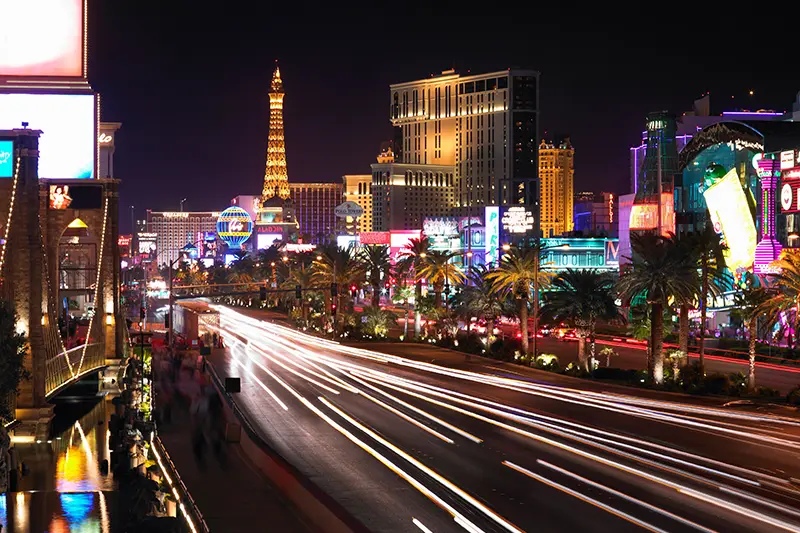
With the Tropicana officially demolished to make room, the path is clear for a facility that promises to be unlike any other in the league. For years, Vegas has been transitioning from a gambling mecca into the “Sports Capital of the World,” and this $1.5 billion project is the final piece of the puzzle. The stadium is expected to anchor a revitalization of the surrounding area, drawing millions of fans annually to a corner once defined by vintage Vegas charm.
A Masterpiece of Modern Architecture
The design of the Las Vegas A’s stadium is a bold departure from traditional ballpark aesthetics. Inspired by the movement of light and the shimmering desert landscape, the structure will feature a unique “spherical” design that emphasizes transparency and openness. It is designed to feel like an outdoor park while providing the climate-controlled comfort necessary for the scorching Nevada summers.
One of the most striking features of the design is its massive cable-net window, which will offer fans an unparalleled view of the Strip’s skyline while they watch the game. This visual connection ensures that the energy of the city remains part of the stadium experience, creating a seamless transition between the action on the field and the neon glow of the surrounding resorts.
Integrating with the Pedestrian Experience
Unlike many stadiums that are isolated by massive parking lots, the A’s stadium is being built with a pedestrian-first mindset. Plans include elevated walkways and improved sidewalk infrastructure to connect the venue directly with MGM Grand, New York-New York, and Excalibur. This integration is crucial for maintaining the flow of traffic on the Strip while making it easy for tourists to walk from their hotels to the game.
By prioritizing walkability, the project aims to reduce the congestion typically associated with major sporting events. The site’s proximity to the existing Harry Reid International Airport and the Las Vegas Monorail further enhances its accessibility, making it a convenient stop for international visitors and locals alike who want to experience the thrill of MLB in the heart of the city.
Economic Growth and Job Creation
The economic implications of the stadium are staggering. Estimates suggest that the construction phase alone will generate thousands of well-paying jobs, providing a significant boost to the local labor market. Once operational, the stadium will require a massive workforce to manage everything from hospitality and security to technical operations and field maintenance.
Beyond direct employment, the stadium is expected to drive a surge in tax revenue for the state and city. With 81 home games a year, plus additional concerts and community events, the steady stream of visitors will spend millions at local restaurants, bars, and retail shops. This constant influx of capital is expected to solidify the financial stability of the Las Vegas resort corridor for decades to come.
The Road to Opening Day
As of late 2024, the project remains firmly on track for its projected 2028 opening. The demolition phase was completed with surgical precision, and the focus has now shifted to utility relocation and foundation work. Developers and city officials are working in close coordination to ensure that any potential roadblocks are addressed before vertical construction begins in earnest.
The transformation of the Strip is a monumental task, but the momentum behind the Las Vegas A’s stadium is undeniable. As the steel begins to rise, it will symbolize more than just a new home for baseball; it will represent the relentless evolution of Las Vegas itself. Fans and residents alike are watching with bated breath as the city prepares to hit a home run with its newest and most ambitious architectural marvel.